CBD Oil for Joints and Bones

Joints and bones support movement, flexibility, and most of what people do every day. From walking and working to staying active, joint and bone wellness affects how people feel and function over time.
As interest in hemp-derived products grows, more people are searching for information about CBD oil for joints and bones and whether it belongs in an everyday wellness routine. Current evidence does not establish over-the-counter CBD oil as a treatment for joint pain, knee pain, arthritis, or bone conditions. CBD oil is one of the most widely used hemp-derived products available today.
Some consumers include cannabinoid products in broader wellness routines alongside exercise, nutrition, and other lifestyle habits, although research on CBD for joint discomfort remains limited and mixed. It helps to understand why joint discomfort is so common before looking at how CBD oil might fit in.
What Is Joint Discomfort and Why Is It So Common?
Joints take on a lot of daily stress from walking and sitting and repetitive motion. A few things tend to make joint discomfort more common:
-
Aging: Age-related changes in cartilage, connective tissue, muscles, and joint structures can contribute to discomfort and reduced mobility.
-
Activity and repetitive movement: Certain activities, overuse, prior injuries, or inadequate recovery may contribute to temporary or recurring joint discomfort.
-
Occupational demands: Jobs that involve prolonged sitting, standing, or repetitive motion can affect joint comfort.
-
Body weight: Additional stress on weight-bearing joints, particularly the knees and hips, can contribute to discomfort. This is one reason people may search for CBD oil for knee pain, although CBD should not replace evaluation or evidence-based care for persistent knee symptoms.
For many people, joint comfort is something they think about more as they get older or as activity levels change. Nutrition, movement, and wellness products are all commonly part of how people approach joint health.
What About CBD and Bone Health?
Research into cannabinoids and bone biology is still preliminary and does not establish over-the-counter CBD oil as a way to improve bone density, prevent osteoporosis, or support fracture healing.
Bone health is better supported through appropriate nutrition, weight-bearing activity, medical screening, and treatment recommended by a qualified healthcare professional.
How CBD Oil Fits Into Joint and Bone Wellness Routines
Some people who search for CBD oil for joint pain choose to include CBD in a broader wellness routine. However, rigorous clinical evidence showing that over-the-counter CBD oil reliably relieves joint pain remains limited. Follow the product label consistently, but do not assume that longer or more frequent use will improve joint or bone symptoms.
Individual experiences vary. Pharmstrong CBD oil is not intended to diagnose, treat, cure, or prevent arthritis, joint pain, knee pain, osteoporosis, fractures, or any other joint or bone condition.
What Are the Different Types of CBD Products?
CBD products fall into three main categories, and the differences matter.
Full-Spectrum CBD
Full-spectrum products contain CBD alongside other hemp compounds, including cannabinoids, terpenes, and trace amounts of THC within the legal limit of 0.3% by dry weight.
Some consumers prefer full-spectrum products because of the proposed “entourage effect,” the theory that multiple hemp compounds may interact differently than isolated CBD. This theory remains under study and should not be interpreted as proof of better joint or bone outcomes.
Anyone subject to drug testing should review the product's Certificate of Analysis carefully and understand that full-spectrum CBD products may carry some risk even within legal THC limits.
Broad-Spectrum CBD
Broad-spectrum products contain multiple hemp compounds but are typically formulated without detectable THC. Anyone subject to drug testing should still review the COA carefully, as labeling claims can vary by brand and testing method.
CBD Isolate
CBD isolate contains CBD without the broader cannabinoid and terpene profile found in full-spectrum products. Some people choose it when they prefer a more limited cannabinoid formula.
CBD Oil Serving Size Considerations
There is no established CBD serving size for joint pain, knee pain, or bone wellness. Product concentration, age, body size, medication use, health history, and individual sensitivity can affect how someone responds to CBD.
Follow the label directions and do not increase the amount without guidance from a healthcare professional. Keeping a brief record of timing, amount, and any unwanted effects may help you discuss the product with a healthcare professional.
Always follow the serving directions on the label. Do not use CBD during pregnancy or while breastfeeding. Talk with a healthcare professional before use if you take medication or manage a medical condition.
How to Choose a Quality CBD Oil
When choosing a CBD oil for joint pain, a few things are worth checking.
Third-Party Lab Testing
Look for a Certificate of Analysis (COA) from an independent testing facility. A current, batch-specific COA can help confirm cannabinoid content and show which contaminants, such as pesticides, heavy metals, or residual solvents, were tested.
It can also show the measured THC content for that tested batch. Choose brands that make current, batch-specific COAs accessible before purchase.
When reviewing a COA, check that the CBD and THC concentrations match what is listed on the product label. For full-spectrum or broad-spectrum products, look for a cannabinoid profile that lists the compounds present.
Hemp Source Quality
Look for products that clearly explain where their hemp comes from and how the product is made. Transparent sourcing information makes a brand easier to evaluate.
Ingredient Transparency
Clear labels that list all ingredients, CBD content, and extract type make it easier to know what you are buying. Review the complete ingredient list, including carrier oils, flavorings, allergens, and other active ingredients.
Product Format
CBD products are available in several formats, including oral oils, capsules, gummies, and topicals. The right format depends on personal preference and what works for a daily routine.
Best Time of Day to Take CBD Oil
 There is no universally best time to take CBD oil. Choosing a consistent time may make it easier to track tolerance and any unwanted effects, but timing does not establish that CBD will improve joint or bone concerns.
Morning works well for people who prefer to begin the day with a set routine. Taking CBD oil at the same time as another morning routine, such as a daily beverage, can make it easier to remember.
Afternoon works for people who prefer a midday break or find that timing fits their schedule better. Some people use CBD in the evening, but it may cause drowsiness in some users and should not be combined casually with alcohol, sedatives, or other substances that slow brain activity.
Follow the label directions and consider medication timing, drowsiness, and professional guidance when deciding when to use CBD.
CBD is not risk-free. Possible concerns include drowsiness, digestive effects, medication interactions, and liver injury. Stop use and contact a healthcare professional if you experience an unusual reaction. Persistent joint pain, swelling, redness, warmth, weakness, limited movement, or pain following an injury should be professionally evaluated rather than self-treated with CBD.
Is CBD Oil a Good Addition to a Joint Wellness Routine?
For people researching CBD oil for joints and bones, it is important to understand that CBD has not been established as a treatment for joint pain, knee pain, arthritis, osteoporosis, or other bone conditions. Product quality, ingredient transparency, medication interactions, and realistic expectations all matter when evaluating a CBD oil. Third-party testing and accessible COAs are a good place to start.
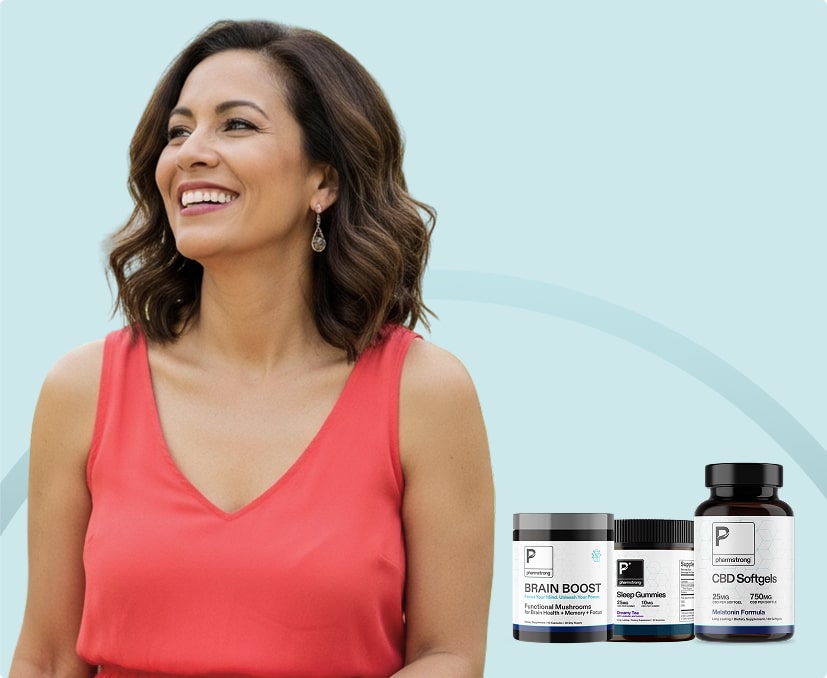
Explore Pharmstrong’s transparently labeled, hemp-derived CBD products, with batch-specific Certificates of Analysis available to review before purchase. Follow the label directions and talk with a healthcare professional before use if you take medication or manage a medical condition.
Disclaimer:
These statements have not been evaluated by the Food and Drug Administration. This product is not intended to diagnose, treat, cure, or prevent any disease. If you are pregnant, nursing, taking medication, or managing a medical condition, talk with a healthcare professional before use.